
Tangerines and clementines are cultivars of the Mandarin Orange, Citrus reticulata. The trees, like all members of the genus Citrus, bear hesperidia: modified berries with a tough, leathery rind filled with volatile oil glands (giving the peel of citrus fruit its bitter taste). The outermost, pigmented layer of rind is called the flavedo: this is scraped off and used in some dishes as zest. The interior of the hesperidium is composed of sections (carpels) filled with fluid-filled vesicles that are actually specialized hair cells. Most citrus fruits are either self-fertile, in that they only need a pollinating insect to move pollen within the same flower, or parthenocarpic: not needing pollination, and therefore seedless, like satsumas and most clementines. Parthenocarpy is recessive, though, so seedless cultivars are kept separate from the others.
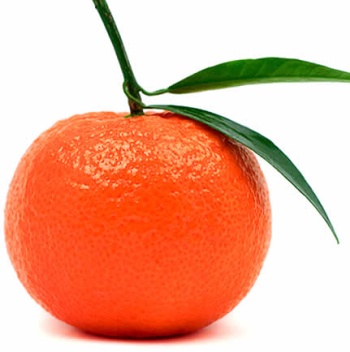
Eudicots; Sapindales; Rutaceae; Citrus x tangerina
Mandarin Oranges have been cultivated for 3,000 years in China and Japan, but only recently have made it to North America. The name tangerine comes from Tangiers, Morocco, which was a major port of shipment for the fruit in the 19th century. Since then, many hybrids and other cultivars have been created, such as tangelos of the Minneola or Orlando cultivars (Citrus x tangelo, a hybrid of grapefruit or pomelo and tangerines), as well as the classic Dancy cultivar: though not grown often anymore, its peak season of December made it a common gift in children's Christman stockings, earning it the name "Christmas Orange".